My Chicago Home

My Chicago Home
How can we best live as modern, active contemplatives where prairie meets city?
Showing posts with label organic gardening. Show all posts

Wednesday, August 1, 2012

Soup Bone of Contention

Photo by Daniel Bartholomew
Cream of Swiss Chard Soup. At least I love it!
Cucumbers, scallions, stevia, pumpkin...from mundane to exotic, my garden is bursting its seams this August. Those 100-plus degree days didn't defeat it. 


I gathered blackberries for breakfast, made an omelet with Hungarian wax peppers and chives for lunch, and even made Baba Ghanouj from eggplant for an appetizer this week. 


"No thank you," said my family to the Baba Ghanouj.  "No thank you" to the omelet. And when I blended up Cream of Swiss Chard Soup yesterday, 18-year-old daughter first refrained from comment (through politeness), then told me it tasted like grass. 
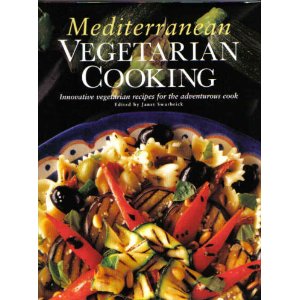

Just one of the cookbooks I use to try
livening up meals. This book is edited by
 Janet Swarbrick.
Second sibling said "Thank you" and declared the soup "okay." No fireworks there. 


The 12-year-old liked it, maybe. No one cleaned their bowl voluntarily. 


Why did this soup matter? The more we eat from the garden, the lower my grocery bills. But that's not all. Swiss Chard is one of the most nutrient-dense veggies on the planet. My kids have largely scrounged their own lunches this summer and this pattern has emerged: peanut butter and jelly, Ramen noodles, grilled cheese. Day after day.


Thus, my attempt to squeeze a little nutrition into the party. My teens, tween and I actually had this conversation:


Me: "Just finish the soup, ok?" I had put minuscule servings into our smallest bowls.


Child: "I did finish it." 


Me: "Then why is it still in your bowl?"


Child: "Look!" Child shows me a half-inch ring above the warm, green pool below -- evidence that several spoonfuls were attempted.


Me: "There are potatoes in there. It tastes just like potato soup. Eat it until you can see the picture on the bottom of the bowl." (A winter Currier & Ives scene. But no matter.)


Child: "You can see the picture, look!"


I repeat. These were not toddlers, but a tween and two teens. Sigh. We even began our morning yesterday with a "Saint of the Day" and Scripture readings from the Magnificat. Double sigh. The meal ended with contention. I let some frustrated words fly. It's so hard to meet collective rejection over the no-brainer concept that fresh should trump processed.


Middle son explains his bias. "Mom, they're vegetables." At least half the nation would probably agree with him, since modern palate often craves processed fare.


But...what to do with a garden full of greens no one wants? 


Guilt doesn't work. I've talked about those starving kids in Africa. Coercion seems pitiful since we are talking older kids, here. "Eat your veggies and you can have your dessert." Please. Nagging is a nuisance and plunges pleasantries at the table into a scene from Shakespeare's "Taming of the Shrew."
Photo by Marianna Bartholomew
Veggies from my garden. Now, if people would only eat them!
Subterfuge seems the best ploy. Hide those nasty vegetables. I've tried tucking them into sauces with some success, although my husband and I are trying not to overdo pasta. I could make a meatloaf and hide the greens, but who wants to heat up the kitchen for an hour mid-summer? I juiced veggies a few days ago and loved it, but again faced the chorus of "No thank yous!" from the kids. 


"Just take one sip and try it," I'll usually say. This time, I didn't bother.


I did all the right things. Breastfed each baby and raised them on whole foods. I even had a little manual baby-food grinder, and steamed and pressed their first carrots and peas. 


Now, I'll place some garden fare on the table and watch eyes collectively avert to other quadrants. In exasperation, I'll finally say, "You don't have to like it. Just take some like a vitamin." 


The usual protocol in my house is to wait until the substance is cold and has been tracked across the plate, before donning a heroic face and taking it in a few dramatic gulps. The kids do eat some veggie eventually, because that's the rule. If I go to the trouble to prepare some dish, the least they can do is eat a respectable portion of it.


I can sauté delectable veggies in butter with a dash of lemon and sea salt, and the crew still grimaces downing the ration.
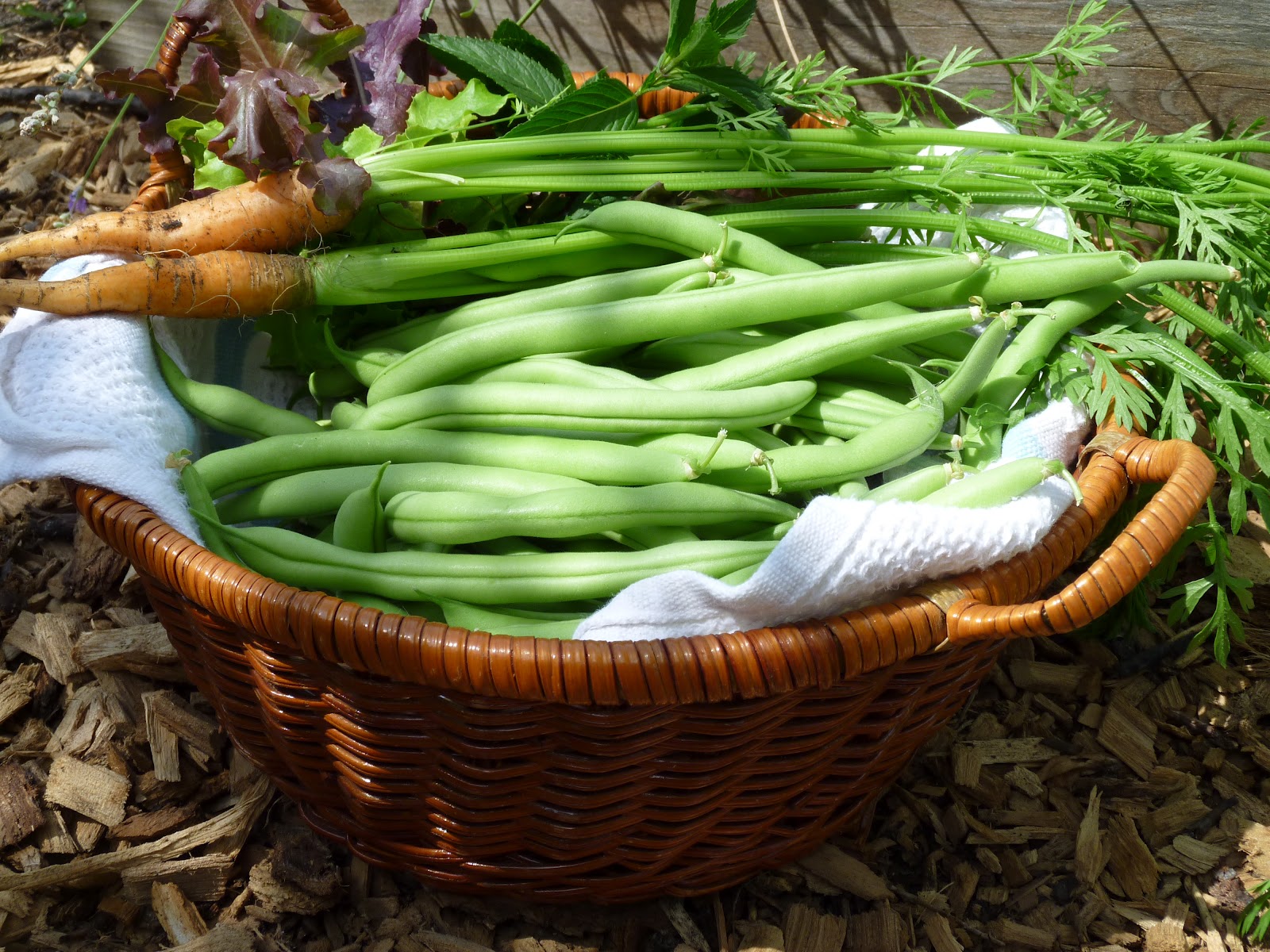

Photo by Marianna Bartholomew
Fresh from the garden tastes astonishingly real.
Of course, the kids aren't considering ramifications of diet choices to health and limb. All they know is that modern taste buds eschew too-real garden fare. I do sympathize. I remember staring at my childhood dinner plate at mounds of zucchini from our organic garden. Next day? Another mound. So, I do have some empathy. For heaven's sake, even my husband has texture issues. For him, if it's slippery or pureed, forget it.


Perhaps when the kids are grown and more savvy consumers, they'll think back with at least some affection to the steady flow of organic goods that visited their childhood table. 


But for now? It's a different story. Eggs straight from an Amish farm? No thank you, we don't like eggs. Milk from that same source? The stuff from the store is so much better. Fresh garden goods March through October? Ugh.


Year after year, dinner plate after dinner plate, the same old battle. Who wants to turn every meal into a food war? 


So, the boys came with to Costco last week and I caved. Corn dogs from the freezer? Now, we're talking.


"Look, Mom. They're natural. No msg!" 

Frankly, the lure of good 'ol American processed outweighs the appeal of natural for lots of the population. Even my veggie soul is visited by cravings for White Castles and the occasional bean burrito from Taco Bell. It's all about balance, with the ratio needing to heavily favor the good. Thank heavens restaurants are trying out fresher menu items. That vegetarian burrito I got at Qdoba today was great! But since our food budget doesn't allow for frequent dining out, I try my best to recreate the bliss at home. Thus, my angst when success eludes me. 


Photo by Marianna Bartholomew
At least garden flowers are
always appreciated.
I've heard of families where the kids take to veggies like barnacles to a submarine. Since this particular trait skipped the Bartholomew gene-line, say a prayer for me, the beleaguered gardener and cook. Say a prayer for my husband and kids, who are tired of the topic. And, if any reader has a positively fool-proof recipe that even veggie-haters love, please share! 


In the meanwhile, I'll count my successes:


*Including the kids in the planting, watering and food prep process gives them skills for the future.
* Grilling vegetables can be great, if you don't set them on fire.
* Inviting the family to find a veggie-themed recipe a week adds some dash to the menu. Middle son discovered a Greek-inspired meatball recipe with mint that was easy to prepare and delicious. Youngest son found a pesto sauce (from the cookbook pictured above) that rocked our garden-fresh basil. 
* Fresh thyme, chives and garlic folded into cream cheese, thinned with a little milk and sea salt, makes a fabulous dip.  Actually, any spices will do.
* Zucchini muffins and chocolate zucchini cake go down well (along with lots of sugar, alas). 
* My daughter used fresh basil in a chicken recipe yesterday and it gained general approval. 
* Now and then, a couple of my kids get brave and enjoy a few Southern fried green tomatoes. 
* Cucumbers sliced are always easy and inoffensive.
* Fresh tomato slices on a burger work.
* Loads of hidden veggies can be tucked into stew.
* Once or twice a year, I'll make beer batter veggie tempura. Yum. No one complains.
* Squash or pumpkin bread and pie are hits. And gathering our Halloween pumpkin from the garden is a blast.


Now, for those of you shaking your heads because your family positively loves garden delights, I've included the Cream of Swiss Chard recipe. I thought it was delicious and delightfully easy. It's pretty too. Don't you agree? (See top photo.) But I can't promise your family will love it!

“Cream” of Swiss Chard Recipe! - Recipes

See the bottom of this recent post for a listing of my most popular gardening posts: Garden Gift

Photo by Marianna Bartholomew
"Square-foot Gardening" helps me plant dozens of
vegetables on one-quarter of a city-sized back lot.


Monday, August 1, 2011

Walking with God in the Garden


God's creativity blooms forth.
In front of my city-sized lot runs a thoroughfare crawling with bumper-to-bumper traffic come rush hour. But 75 yards back, behind our 1950’s ranch, blooms three-dozen varieties of vegetables, herbs and flowers. I’m not alone in finding perspective, peace, and God’s companionship and healing in my garden – a sort of blooming, body and soul, amidst a technology-saturated world. 

With gardens offering retreat-like benefits along with countless practical perks, it’s no wonder the National Gardening Association (NGA) cites Americans as “consistently rating gardening as a favorite hobby.” In fact, NGA statistics show a 19% increase in Americans planning to grow edibles from 2008 to 2009.


St. Francis, lover of
God and His creation.
Of course, one stimulus to such enthusiasm might be recession. A nicely maintained food garden yields an average $500 return, according to NGA. Adding a few new perennials like asparagus, chives or rhubarb yearly expands a base of nice varieties to harvest early spring through late October. Growing annual seeds indoors to plant outside early spring is a cheerful, winter’s end project that also helps cut food costs.

I find the practical and esthetical blend of gardens irresistible. Phenomenal changes occur daily, and sometimes, even hourly. Early morning squash blossoms expand, begging to be stuffed with cheese, dredged in egg and flour, and stir-fried into a gourmet delicacy. Snap peas unready to pick at 7 AM, plump by dinner.
What a luxury, loading the table with fresh-picked produce.

I’ve lost my fear of bees, since we so nicely coexist. Robins and mourning doves flit by, unfazed by my now-familiar presence. The neighbor dog “Buck” pops his dark, Labrador head over the fence to grin, until I give him a friendly pat.

As for the plants, clearing riotous weeds to reveal order seems allegorical. Learning a “green thumb” is not genetic as much as developed through persistence, trial and error, and following wise advice from more experienced gardeners, is heartening.

Echinacea -- beautiful and medicinal.
I’ve had my summers of growing tomatoes lush with foliage but bare of fruit, planting seeds that refused germination, babying green peppers to watch them spread leaves but refuse to flower or bear. But for the past several years, my mini, raised-bed gardens, have flourished.

After a friend recommended Mel Bartholomew’s method of “Square Foot Gardening” a few years ago, I devised manageable plots in raised beds. Amending soil with equal portions of compost, peat and vermiculite, made it fluffy and amenable to tender plants. (I later learned people are raising health concerns over vermiculite, so I’ve switched to perlite, an amorphous volcanic glass.) Such methods make gardening accessible to the elderly, very young, developmentally disabled, people recovering from illness -- even those with severe physical limitations.

Planting gourmet lettuce in partial shade helps plants
survive the heat. I'm still harvesting lettuce in August.
 
In fact, I suffered from a concussion and neck injury this summer and spent minimal time outside, yet still found my micro-gardens manageable, harvesting baskets of beans, hearty quantities of cilantro, and gourmet lettuce galore. Fresh-picked raspberries garnish breakfasts.  Spicy Egyptian scallions enliven sandwiches. Heirloom tomato plants are flowering and fruiting, promising an abundant yield.
Planting in raised beds has turned me into a successful
gardener -- finally!

One day, when healing from my injuries seemed interminable, I clapped on a hat, sat cross-legged next to my string beans, and sang while I harvested, until the blues lifted. I have a weakness for old, sentimental songs, and I enjoy singing this favorite hymn from 1913 that sums up the lure of a garden:

I Come to the Garden Alone
I come to the garden alone
While the dew is still on the roses
And the voice I hear
Sounding in my ear,
The Son of God discloses

And I walk with Him
And I talk with Him
And He tells me I am His own

And the joy I feel
As I tarry here
None other has ever known…
By C. Austin Miles.

A garden's delicate beauty helps us
transcend earth.

Not only does gardening provide inexpensive, nutrition-rich food, develop biceps (from shoveling, weeding, constructing supports for plants, etc.), provide sun’s Vitamin D through our hours of labor, and soothe frazzled nerves, it helps us transcend the earth, reaping rich spiritual rewards. Of course, frequenting the sacraments and adoration chapel, nurturing a rich prayer life, reading scripture, are all foundational. But for a nice hobby to enrich one's walk in faith, gardening is ideal.  The vibrant palette and fragrance of plants is uplifting. The teeming life of worms and butterflies, bees and songbirds seems optimistic. They’re tireless and productive, as we should be. Seeing piquant and healing herbs proliferate and tomatoes plump transmits this incredible sense of God’s creative genius. It’s all so inspiring.

An "outdoor room" with a reflective mood.
God visited the Garden of Eden just before sunset (Genesis 3:8). Jesus chose a garden for quiet prayer in the final hours of his life. And for several Sundays in July, readings in the Liturgy were horticultural. Matthew 13, for example, refers to seeds cast on rich or rocky ground, and probes questions of why weeds coexist with fruitful plants. Struggling with recalcitrant weeds, scrubbing stubborn soil from gardening-calloused fingers, encountering thorny stems on delicately flowered plants – all help us relate more personally to God’s workings in creation and our lives.

Religious art and statuary turn
gardens into retreats.
Spring roared in like a lion this year, but I remember 40-degree days when the skies were a gray canvas -- and I still couldn’t resist running outside to check on my chives and Egyptian scallions, fragrant spearmint, and spinach seedlings shivering in the breeze. Now, as August opens with record-breaking heat, the garden pulses with life, drinking thirstily and producing prodigiously.

“The earth and its fullness are the Lord’s,” says 1 Corinthians 11:27. I thank God even those of us in the city can put hands to soil -- that His voice can be so clearly discerned, as we “walk with Him” in the garden.

Practical gardening tips:
Hostas are the heartiest plants I know,
besides weeds, of course!

        1) Go organic. According to the February 1995 American Journal of Public Health, the risk of children developing cancer is increased four times in homes where chemical weed and insect killers are used. Corn gluten for heartening grass to be more weed-resistant, liquid garlic for pest control and encouraging robust growth, and nematodes to curb grubs, are just a few natural solutions we’ve found for common gardening woes.
2)   Planting in raised beds divided into miniature plots provides protection from flooding and a grid for a wider variety of plants.
3)   Raising planting beds on waist-high stilts makes gardening accessible to the elderly and disabled.
4)   Amending soil with 1/3 portions of peat, compost, and a substance like perlite keeps growing medium fertile and nicely aerated.
5)    Drying out more easily than plots sewn directly into the ground, raised beds must be watered diligently.
6)   Adding religious art and statuary turns your plot into a prayer garden. Saint Fiacre is the patron saint of gardeners, Saint Francis is popularly associated with nature, and a Blessed Virgin statue surrounded by lilies becomes a “Mary Garden.”
7)   Chatting up knowledgeable workers at a local garden shop specializing in organic, heirloom and regional plants, helps you discover special, hearty or unusual varieties that grow well in your planting zone.
8)   Exchanging clippings of perennials with friends inexpensively adds plants like strawberries, scallions and mint to your garden.
Let squash crawl up trellises
or they'll take over your garden!
This pumpkin reseeded
itself from one tossed out 
last year.
9)   Adding layers of newspapers and then covering deeply with woodchips or peat creates pathways and borders between planting beds. It looks attractive and is a cheap, efficient way to keep down weeds.
10) Starting late in the growing season is fine. Some crops, like garlic, can be planted in the fall. Plywood frames for raised beds can be assembled over winter, and indoor composting systems even allow all-year composting.
11)  Following good composting techniques will heat your pile internally and kill weed seeds, so you won’t be sowing weeds with your veggie seeds.
12) Taking time to enjoy the garden makes all your effort worthwhile. Put a chair there and a little table for your mug of coffee or tea, and bask in your garden’s beauty, preferably early morning when the “dew is still on the roses,” or in the golden glow of dusk. Even a five-minute visit before or after the day’s work, is rejuvenating.
13) Weeding ten minutes daily keeps maintenance under control.
14) Involving children in planting and planning beds, even if gardening isn’t their “thing,” helps them develop a good work ethic. As part of the household, they should contribute a fair share in the production and harvesting of fresh food for the table. Who knows? Some day they may even continue the gardening tradition within their own families.

Photos and story by Marianna Bartholomew